✶ A small slice of the island's fleet
Automatics.
Fewer of them,
gone sooner.
Most car rental stock on this island is manual, because most cars in southern Europe are manual. The automatics were bought for visitors, there are not many, and between December and March they are the first thing on the island's rental list to disappear.
✶ Filter for automatics in the results
139 cars from €17 a day on these dates
Pick-up and drop-off
Dates
Free cancellation on many carsThe deposit is on the car, before you book itPrices in euros, cover levels priced on the car
Pick-up
Dates
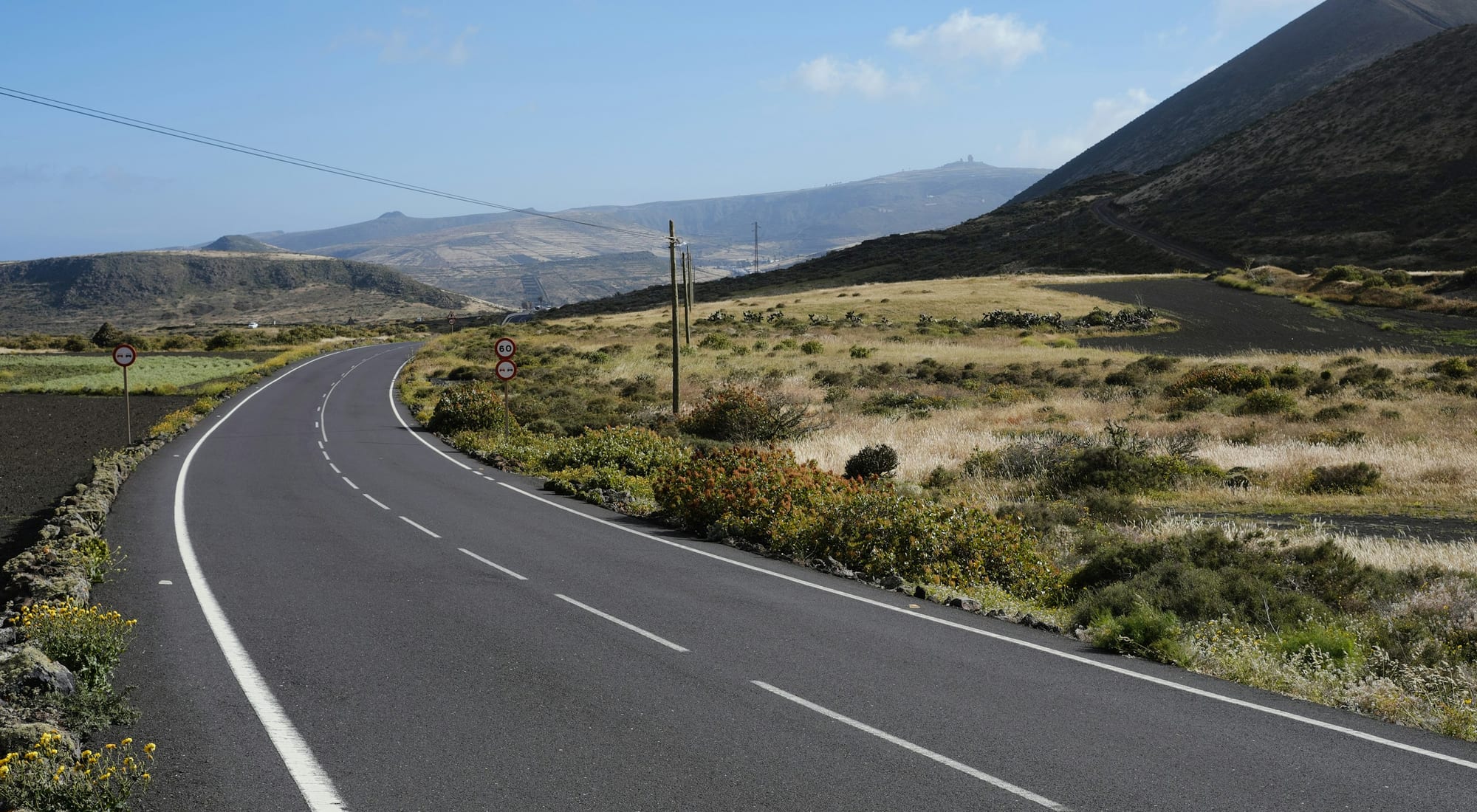 Long gradients rather than brutal ones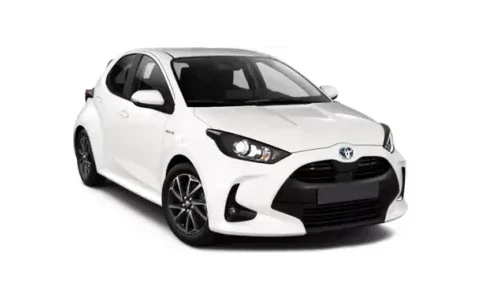
Toyota Yaris
5 seats · Automatic · Compact
€20per day, the lowest this model has been listed at
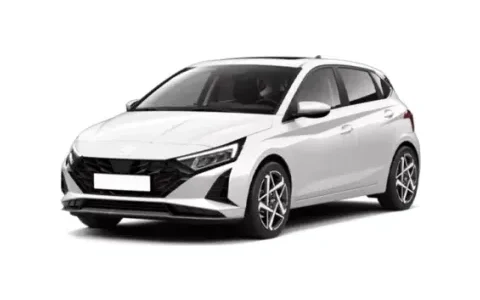
Hyundai i20
5 seats · Automatic · Compact
€20per day, the lowest this model has been listed at
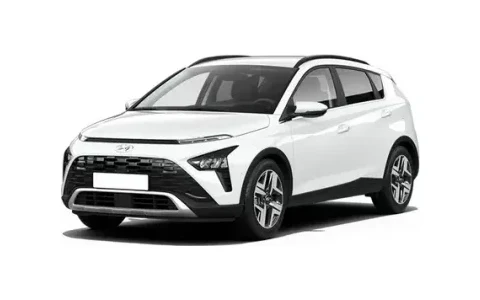
Hyundai Bayon
5 seats · Automatic · Crossover
€24per day, the lowest this model has been listed at
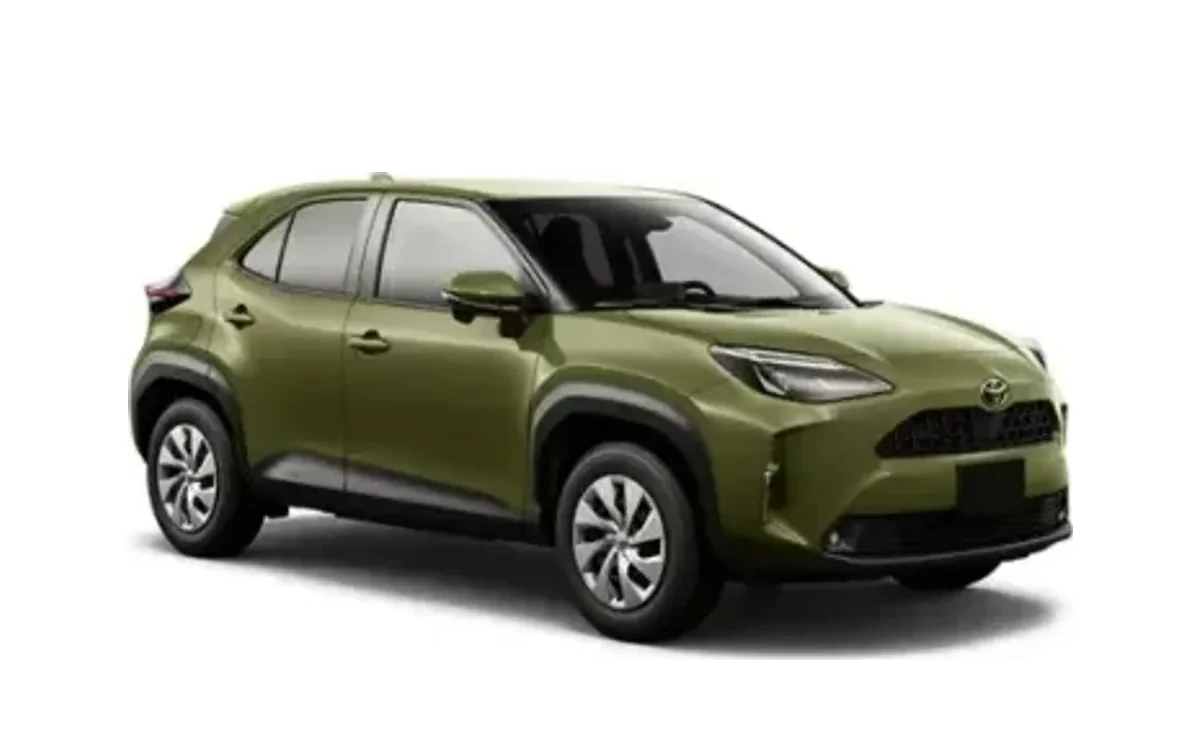
Toyota Yaris Cross
5 seats · Automatic · Crossover
€24per day, the lowest this model has been listed at
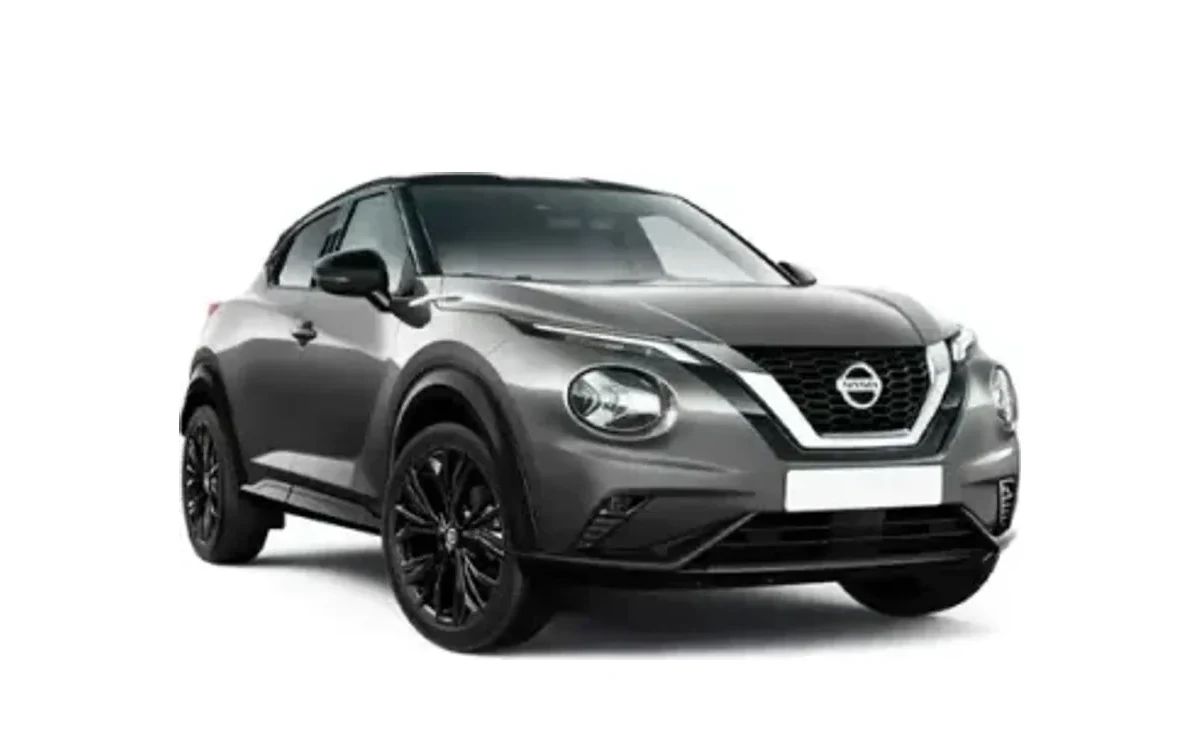
Nissan Juke
5 seats · Automatic · Crossover
€26per day, the lowest this model has been listed at
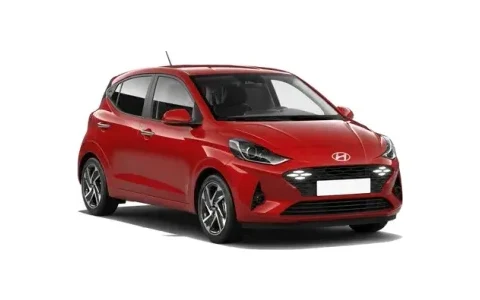
Hyundai i10
5 seats · Automatic · Economy
€28per day, the lowest this model has been listed at
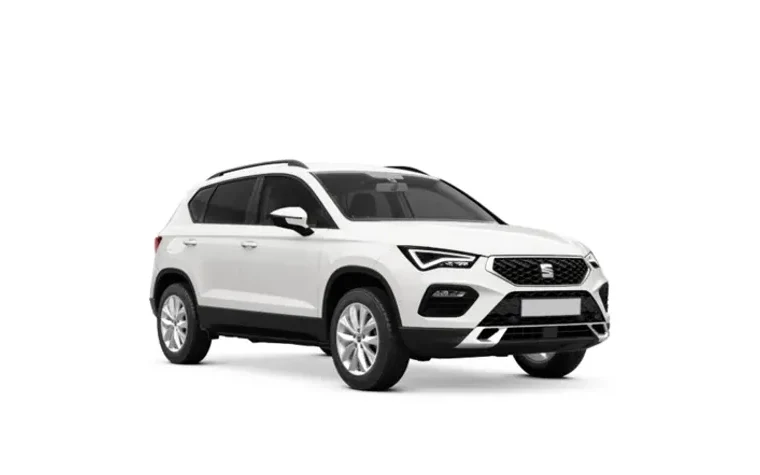
SEAT Ateca
5 seats · Automatic · SUV
€31per day, the lowest this model has been listed at
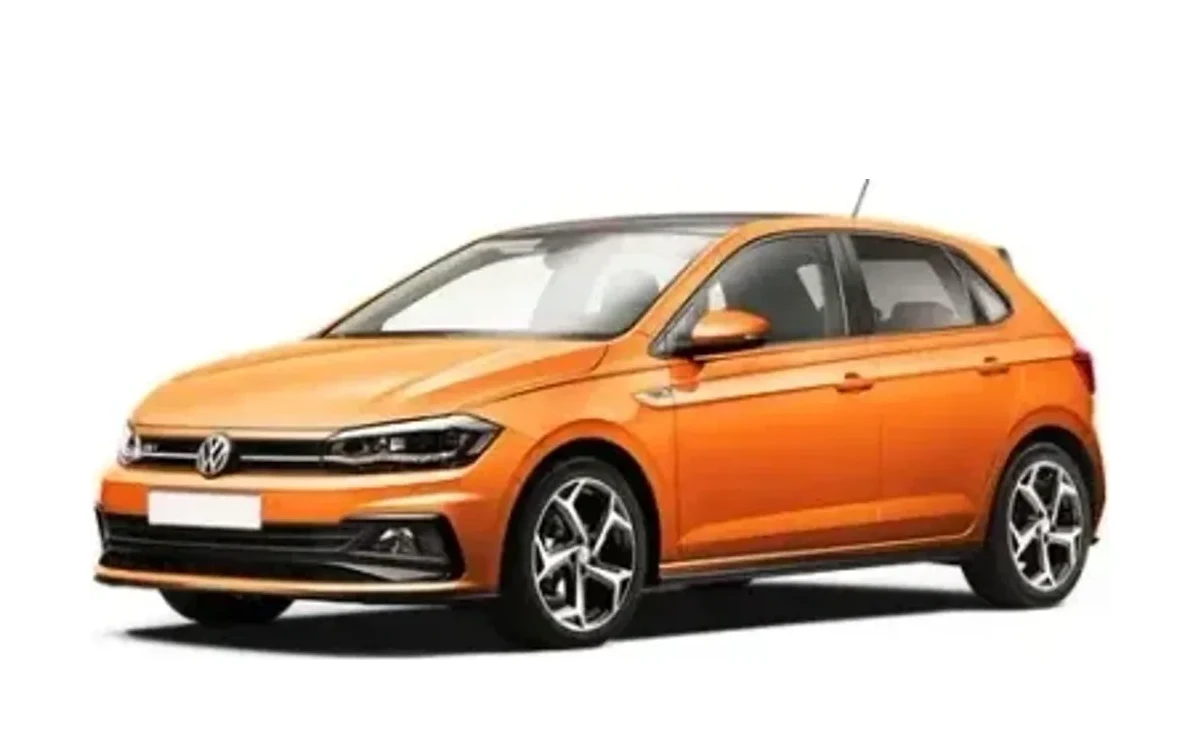
VW Polo
5 seats · Automatic · Compact
€35per day, the lowest this model has been listed at
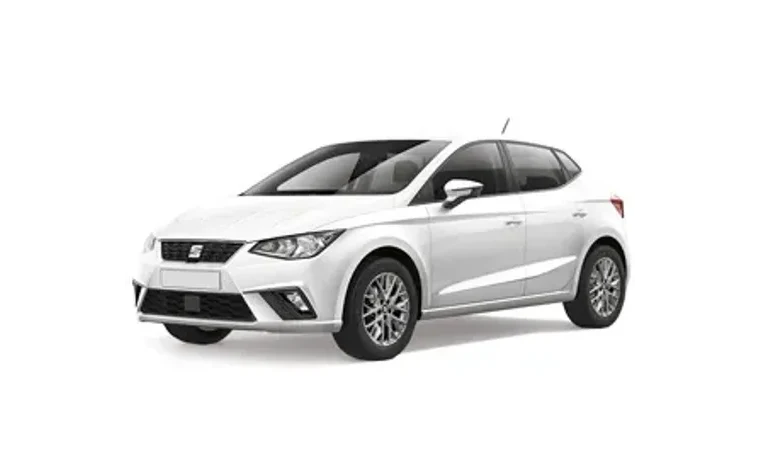
SEAT Ibiza
5 seats · Automatic · Compact
€35per day, the lowest this model has been listed at
Why the supply is thin, and why that will not change
Spanish drivers buy manuals. Spanish rental fleets are therefore mostly manual, and the Canaries are Spain. An automatic in a Tenerife fleet is a car bought deliberately for the visitor market rather than one that happened to be on the forecourt, and fleets buy those in the quantity they expect to rent rather than in the quantity that would make them cheap.
Add the island constraint. Supply cannot flex: nobody drives a hundred spare automatics over from the mainland when February gets busy. So the pattern every winter is the same, the automatic end of the list thins out first, and the remaining ones price accordingly. That is structural rather than seasonal opportunism, and it is the whole argument for booking early.
Do you need an automatic car in Tenerife?
If you drive a manual comfortably at home, you will be fine here. The roads that matter on Tenerife are narrow rather than steep in the way an Alpine pass is steep, and every car in the list has the gears for them. The main road up to the crater is wide, well surfaced and gentle by mountain standards.
Two situations favour an automatic. The first is the descent from the national park, which is forty minutes of continuous downhill where a manual asks you to think about gear selection the whole way. The second is town parking on a slope, which in the old town on the north coast and half the west-coast villages means hill starts on a one-in-six with a car behind you. Neither is difficult. Both are tiring by day five.
Which automatic should you take, if you have a choice?
The automatic slice of this island's fleet is not a random sample of it. It skews toward the small hatchbacks and the crossovers, because those are the models fleets buy specifically for visitors, and it thins out badly at both ends. There are very few automatic city cars and very few automatic seven seaters, which matters if you are at either extreme. If you are collecting an automatic at Tenerife North Airport, the second-deepest pick-up point after the south terminal, the transmission filter in the search narrows the list in the same way.
Within what is there, the practical advice is the same as for any car here: take the smallest one that fits your luggage. An automatic supermini is a better companion on the TF-436 than an automatic crossover, and the roads where you will most appreciate not changing gear are exactly the roads where width costs you most. The exception is if you are carrying boards or a pushchair, where the squarer boot of a crossover earns its place.
Do not read anything into the model year on a card. A 2018 automatic that has been maintained is a better rental than a 2023 one that has done sixty thousand kilometres of airport runs, and neither the year nor the mileage tells you which you are getting. What you can rely on is the class, the seat count and the gearbox, which is why those are the three things shown.
What to do about it
Book it early and take the free cancellation. That is the whole strategy, and it costs nothing to follow: an early booking on a free-cancellation car is a decision you can unmake. Leave it instead and the automatic share of the list is what runs out first, so the choice gets made for you. It is better made in October than in the week before you fly.
If cost is the deciding factor, the trade is worth reading alongside the cost of a week's car, because an automatic is one of the few car-choice decisions on this island that moves the total by a meaningful amount.
✶ Asked about gearboxes
Price, supply
and the descent.
Automatics on this island raise three questions in the same order every time: why they cost more, whether you need one, and whether there will be one left.
Why are automatics so much dearer here?
Supply, not opportunism. Southern European rental fleets are overwhelmingly manual, because that is what the domestic market buys and what the fleets were assembled from. The automatics are a small slice bought specifically for visitors who want one. A small slice with steady demand behind it prices exactly the way you would expect it to.
Do I actually need one for the mountain roads?
Not if you drive a manual comfortably at home. The gradients here are long rather than brutal and every car on the list has the gearing for them. Where an automatic earns its premium is the stop-start rhythm of a hairpin descent, and hill starts on the steep streets in places like Los Gigantes and Puerto de Santiago, which you will be doing several times a day whether you planned to or not.
How early should I book one?
For anything between December and March, as early as you reasonably can. Island supply is fixed, the automatic share of it is small, and it is the part of the list that empties first and refills last. Most bookings cancel free, so booking early costs you nothing beyond the five minutes.
Is the descent from Teide hard on an automatic?
It can be, if you leave it in drive and use the brakes for the whole two-thousand-metre descent. Use the manual mode or the lower ranges and let the engine hold the car. It is the same advice as for a manual; the difference is that an automatic will happily let you ignore it, and brake fade on a hire car whose pads you did not choose is a poor way to learn.
Are automatics available at every pick-up point?
In principle yes, in practice unevenly. The automatic share is small everywhere, and a small share of a small list is sometimes nothing at all: the two airports hold the deepest stock, so they hold the most automatics, while a resort point with a fraction of the cars can show none at all on your dates. If you need one and the town you are staying in has nothing, collecting at an airport and driving over is the fallback that usually works.
✶ Winter is the constraint
Book it before February does.
The automatic share of an island fleet does not grow to meet demand. Search your dates now and take the free cancellation; deciding later usually means deciding between what is left.